
Intro
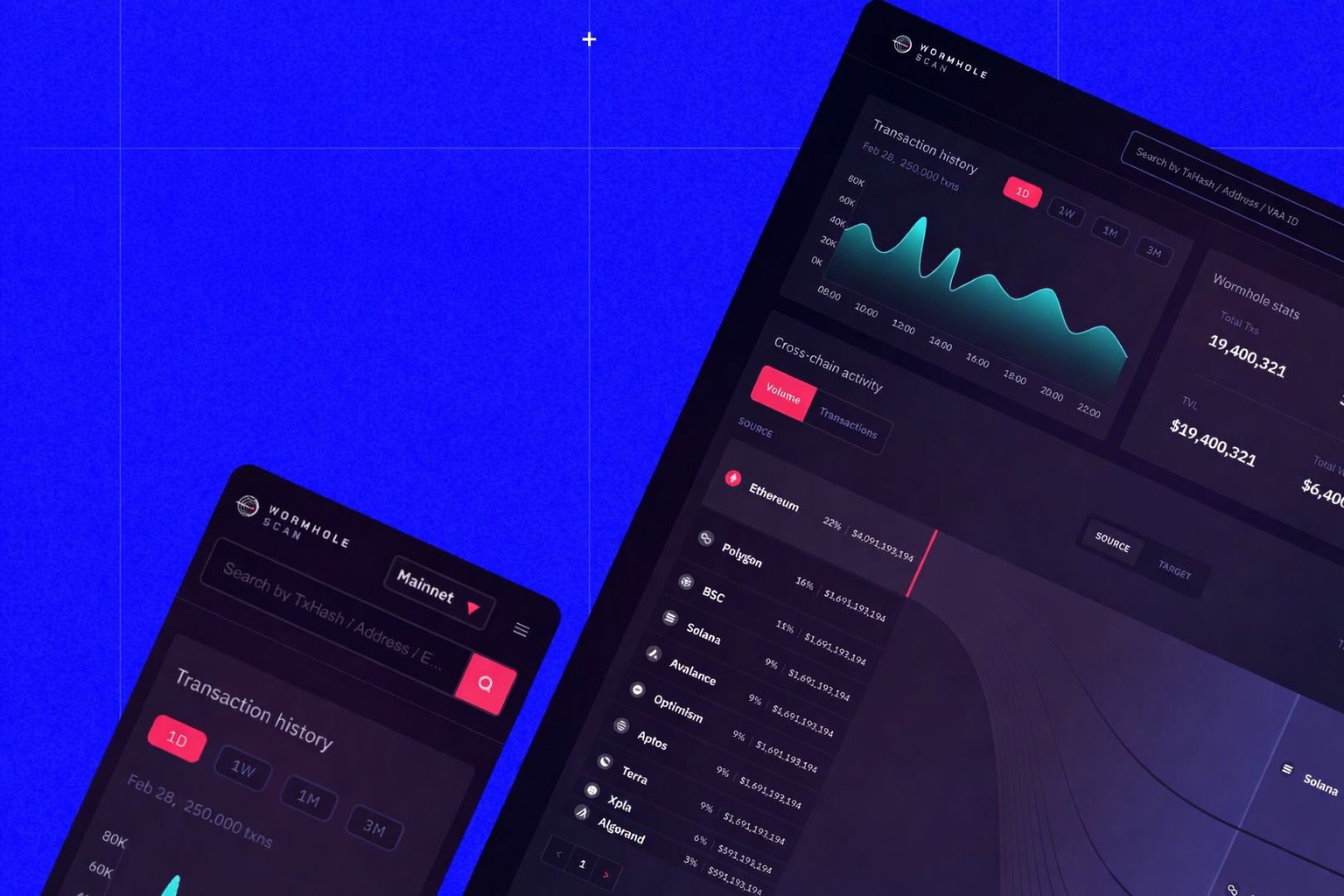
Wormholescan.io is a cross-chain explorer for the Wormhole ecosystem, helping users track and understand cross-chain messages and Crypto transfers as they move from a source chain to a destination chain. (LI.FI)
Partner
Jump Crypto, in collaboration with xLabs
Role
I played on Principle IC role on this one, handling UX, UI, design and prototyping
The challenge
Cross-chain transactions create a specific kind of anxiety: people want to know what is happening, whether it is progressing, and what evidence they can trust. Wormholescan’s stated mission is to provide user visibility into the Wormhole ecosystem, with developer-friendly insight into the end-to-end transaction flow and ecosystem-level metrics that help explain cross-chain activity.
The work needed to do two things at once:
Give everyday users a quick, confident answer.
Give technical users the receipts without overwhelming everyone else.
My approach
Immersion into what was already in motion
I started by stepping into what the team had already built and discussing what was working, what felt brittle, and what questions the UI was failing to answer quickly. The goal was not to redesign everything. It was to sharpen the hierarchy and clarify the system story.
Desk research and landscape discovery
I did a fast scan of web3 explorers and analytics tools across the crypto landscape to pressure-test patterns for:
Search-first workflows (paste a hash, land on a confident answer, share a deep link)
Clear status communication (what happened, what is happening now, what comes next)
Progressive disclosure (overview first, technical depth on demand)
Trust cues (the details that make someone believe a result)
This was rapid pattern-finding, not a months-long research program.
A focused 90-minute working session with engineering
We ran a tight working session with the development team to align on:
The primary user questions each page must answer
The real system states the backend could reliably expose
The terminology that needed simplifying, and what had to stay technically precise
Common failure modes and what the UI should do when something is delayed or incomplete
Outcome: a shared “status model” and a page-level content hierarchy we could build against.
Representative design challenges and solutions
These are the kinds of issues that show up in cross-chain explorers. They also map directly to Wormholescan’s goals around visibility, end-to-end flow clarity, and metrics.
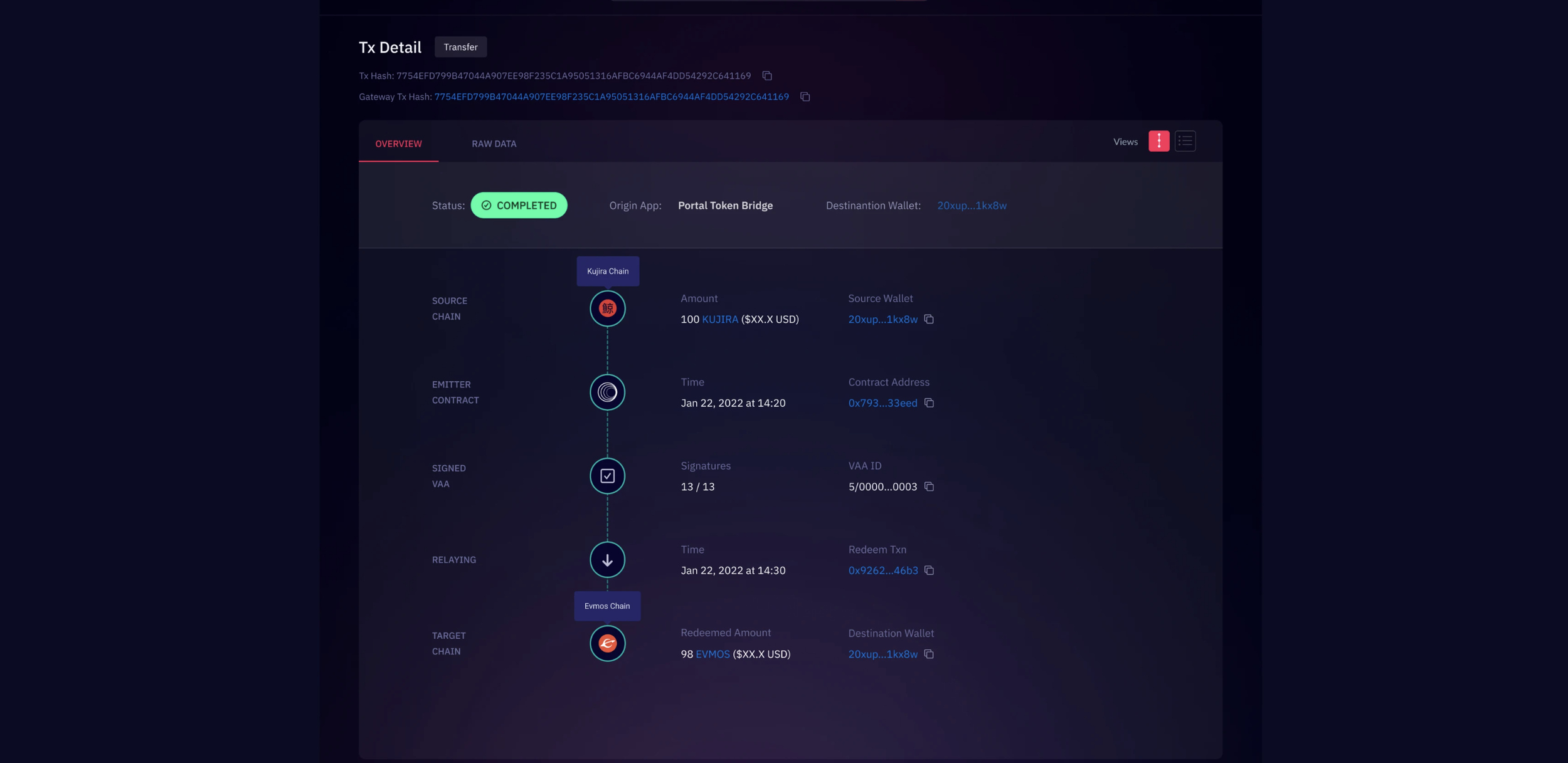
“Is it stuck, or is this normal?”
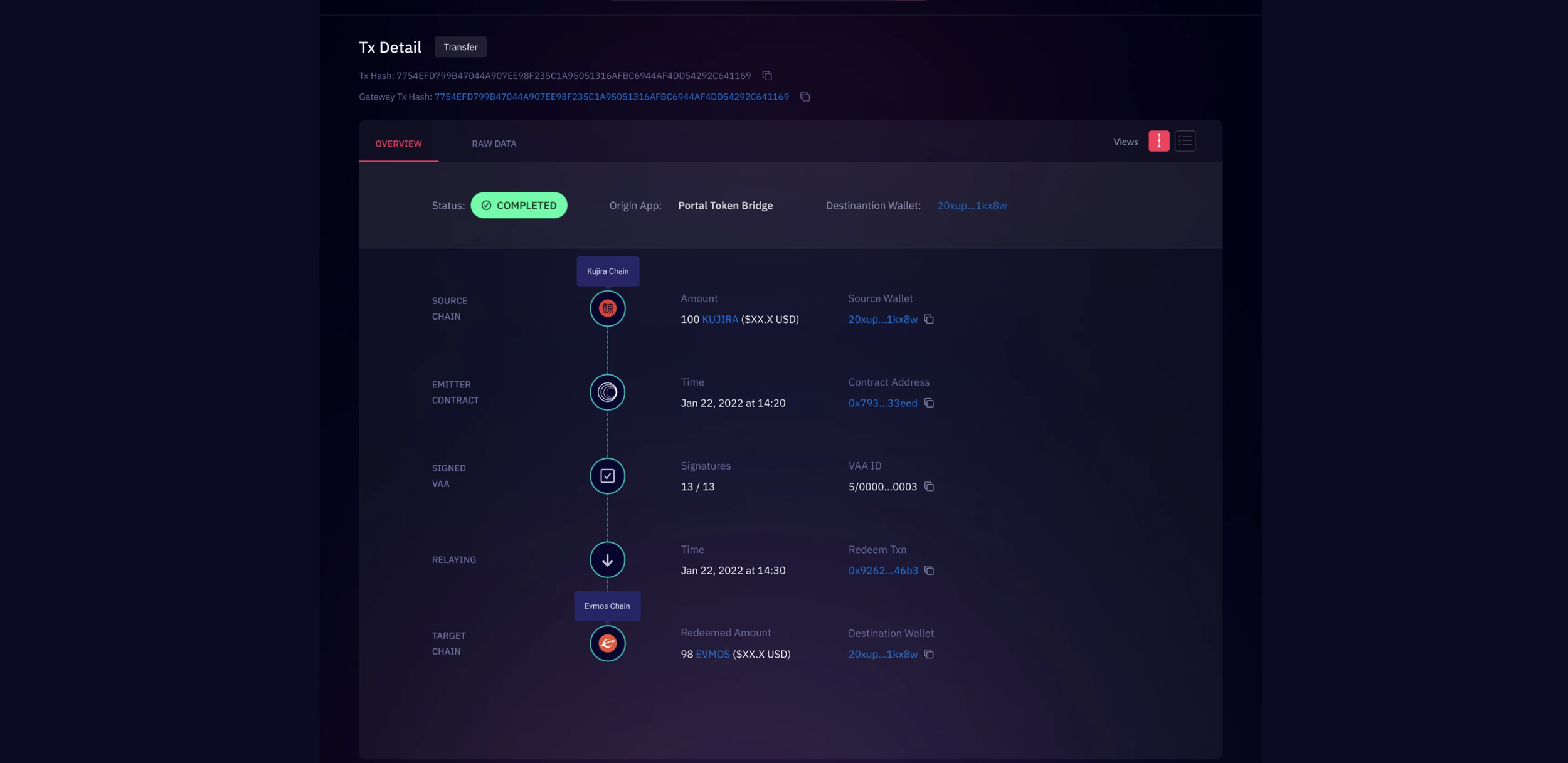
Cross-chain activity often moves through multiple stages, and timing can vary. Users interpret silence as failure.
Design move: a step-based status timeline that mirrors the real flow, with plain-language labels and a clear “what happens next” cue.Two audiences, one experience
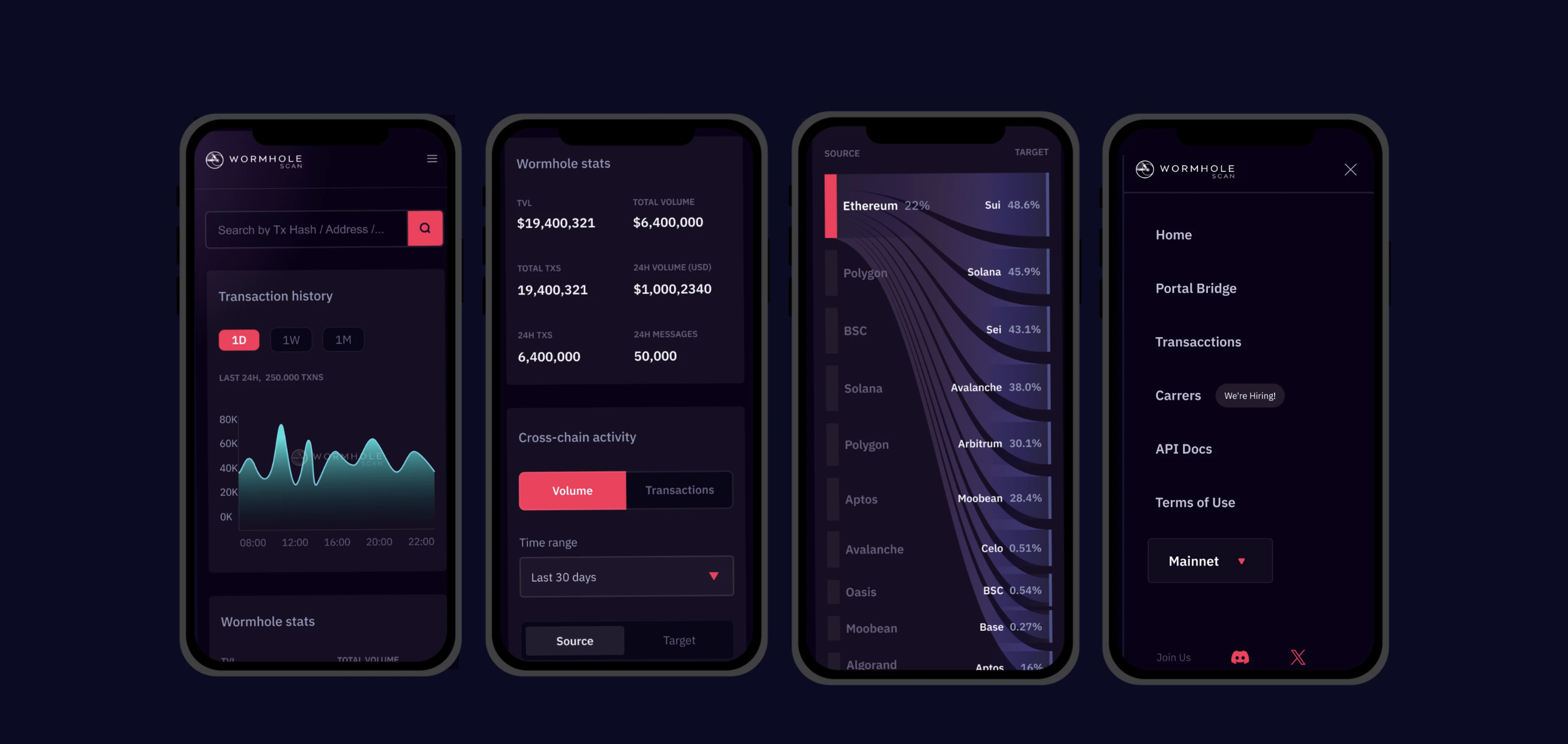
Wormholescan is meant to be useful for both casual users and developers who want deeper insight into the transaction journey.
Design move: summary-first layouts with clear scanning patterns, paired with expandable technical detail sections for power users.Search is the product
Explorers live and die by the search experience. People paste whatever they have, and they need an immediate, unambiguous result.
Design move: input that tolerates messy identifiers, strong empty states that suggest next steps, and shareable deep links for collaboration and troubleshooting.Metrics without losing the plot
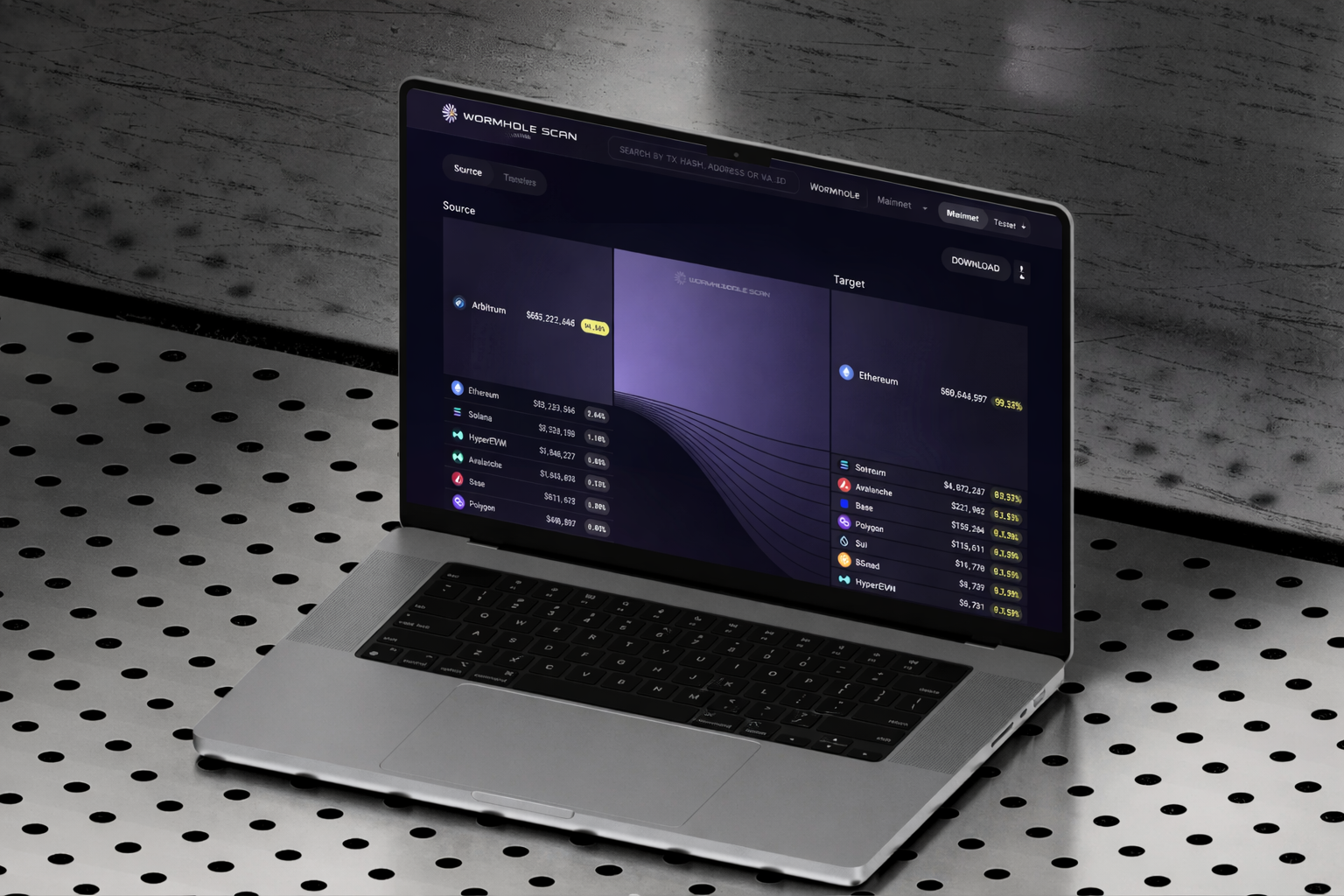
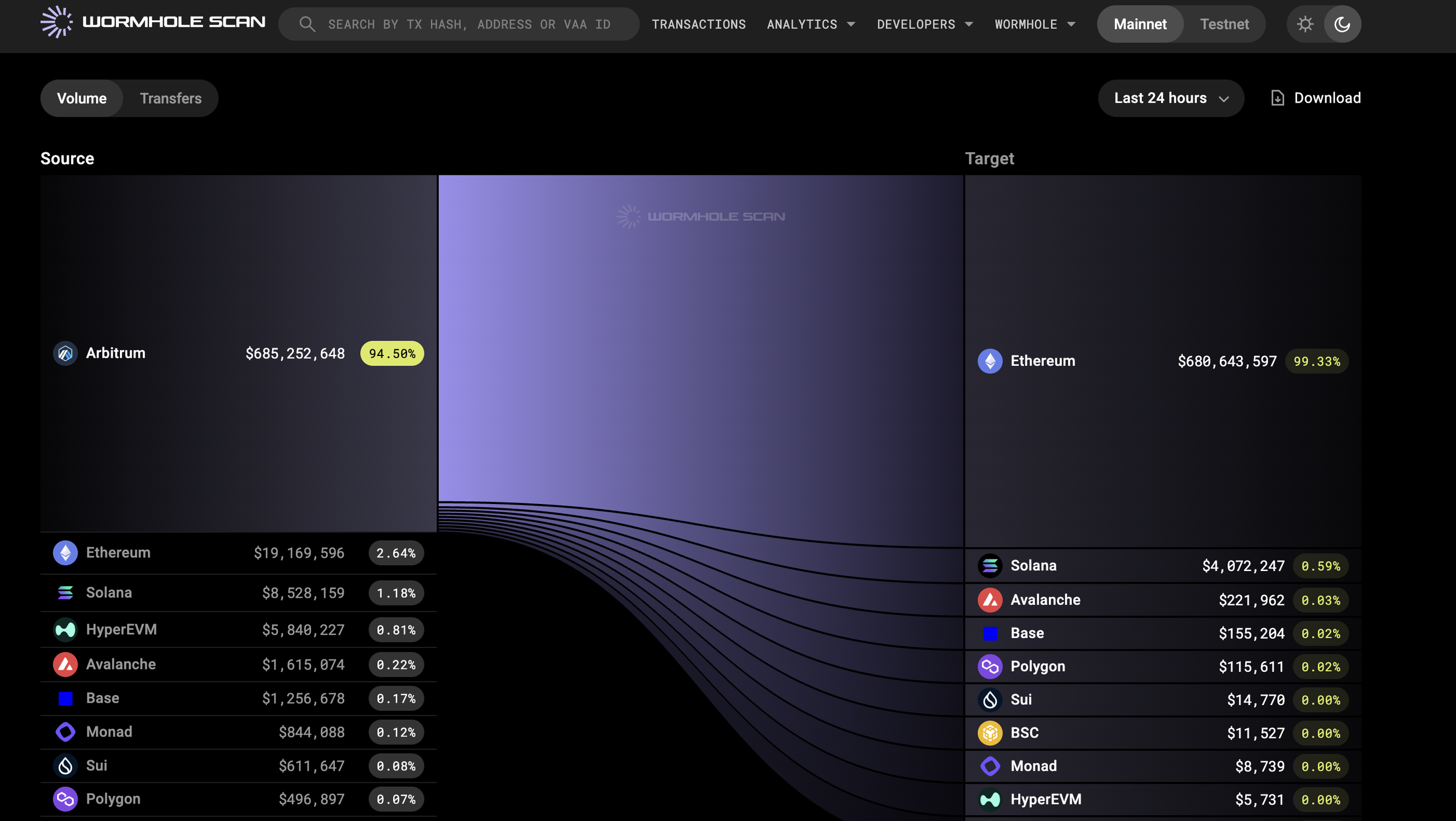
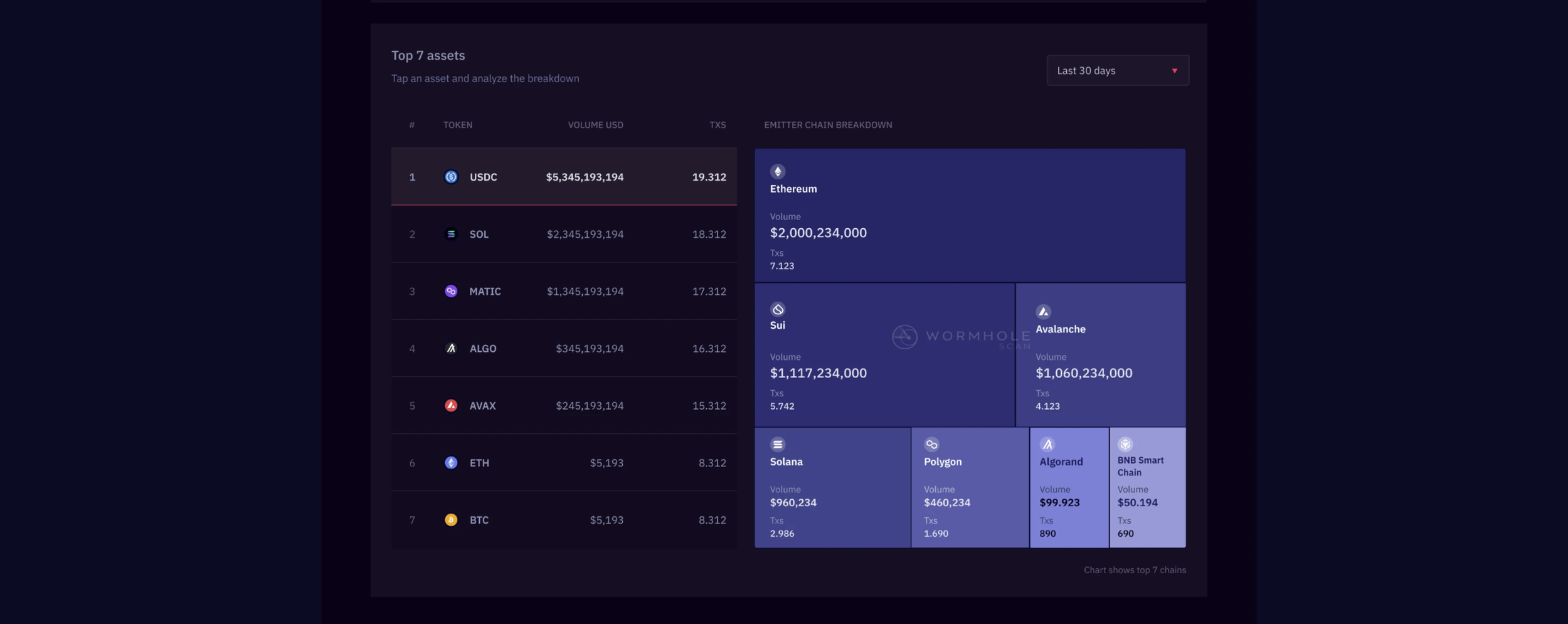
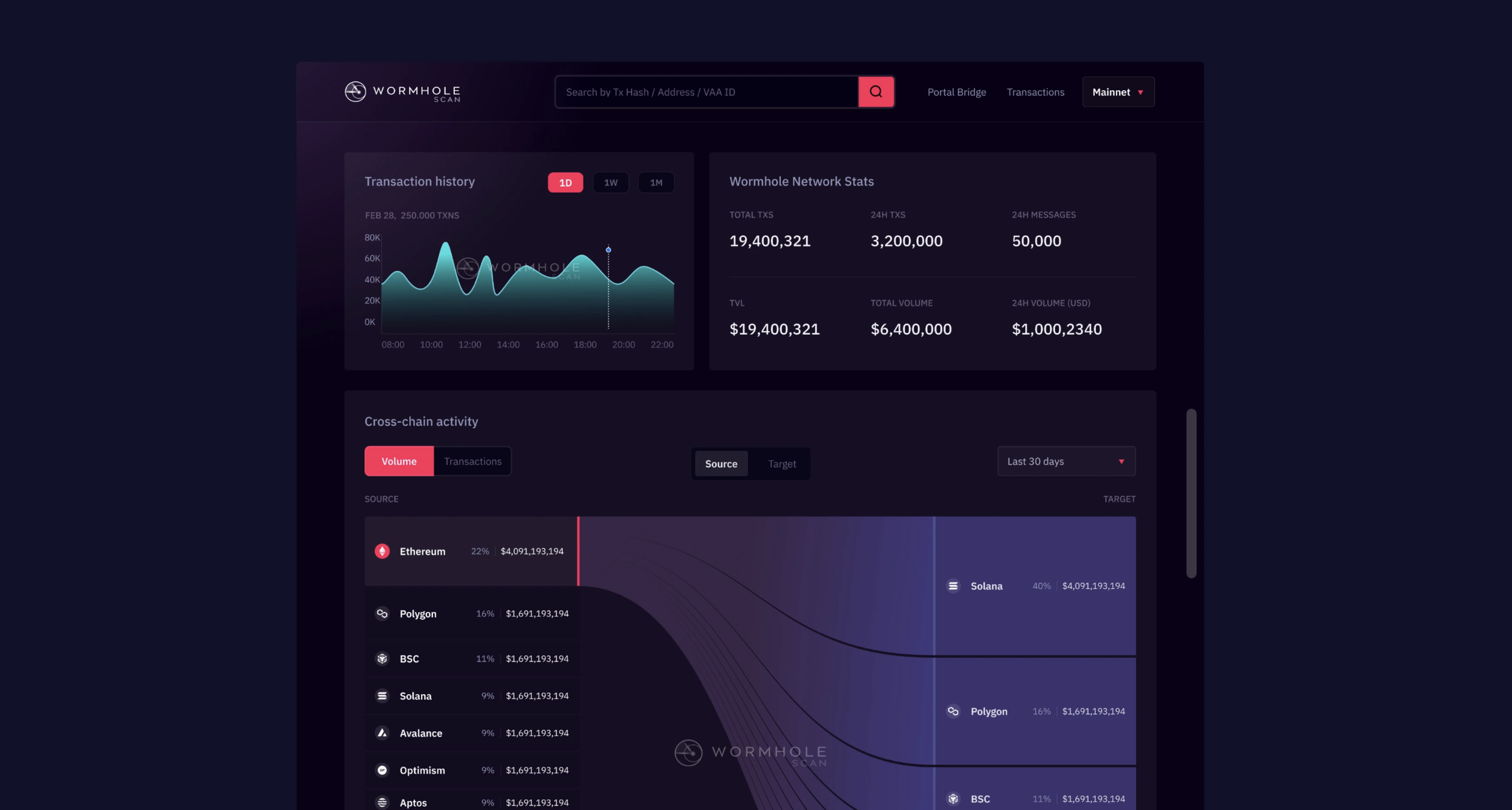
Wormholescan surfaces ecosystem-level activity and transfer metrics across chains, which can quickly become overwhelming if presented as a dashboard first.
Design move: keep the primary narrative centered on the user’s question, then offer metrics as a secondary path for exploration and analysis.
Deliverables
Clarified information architecture and page hierarchy for core flows
A status model and labeling guidance tied to real system states
High-fidelity designs and interactive prototypes for key journeys
Engineering-ready handoff details and UI patterns for progressive disclosure
Impact
The core win was speed and alignment. In a technically intense domain, we created a UI structure that helps users quickly understand cross-chain activity while still providing deeper inspection paths for developers and analysts. The result supported Wormholescan’s broader aim of improving visibility into the Wormhole ecosystem and making transaction flows easier to interpret end-to-end.
How this compares to my other work
Many of my projects include qualitative research to validate mental models, terminology, and navigation. This engagement was intentionally lean: rapid immersion, targeted desk research, close engineering partnership, and prototyping at speed.
If we had more time
Quick qualitative interviews across three audiences: integrators, analysts, and casual users
A terminology and comprehension test for the status model
Instrumentation around top searches, failed searches, time-to-answer, and drop-off points